🇭🇺 Idén, az előző, covidos évekhez hasonlóan, megint elérhető lesz online a RootsTech. Hogy a szösz a RootsTech? A világ egyik legnagyobb családtörténeti expója, ahol a vezető családtörténeti cégek, szakemberek, és ismert emberek (tavaly például Matthew Modine) mutatkoznak be, tartanak előadásokat és workshopokat, amelyeknek jelentős része elérhető online is. A legtöbb esemény angolul van megtartva, de egyéb nyelvek is előfordulhatnak. Ezekre külön rá tudunk szűrni az esemény oldalán.
Az elmúlt két évben sokat tanultam abból, hogy részt vettem a RootsTech programokon, mind technikai, mind pedig szellemi, lelki téren. Jobban megértettem, hogy a munkánk által hogyan veszünk részt Izráel összegyűjtésében, és hogyan tudunk egymásnak segíteni ebben a hatalmas munkában, hogy megalkossuk mindannyiunk egy, nagy, közös családfáját.
So one of the things that I always loved was reading. My mom being a teacher was very much against me learning to read before I started school, but during the first few weeks of first grade I taught myself to read with the help of the alphabet pictures and some random questions to my teacher or second graders. Learning to write was a whole different matter, but by early October I was caught not paying attention, because I was reading the easier texts in the back of the book. By Christmas I could read well beyond grade level, and started to discover Janikovszky Éva’s very funny children’s books, Pöttyös Panni, a children’s series about a girl wearing polkadot dresses, and the booklets about Hungarian history that I was supposed to color, but I only read them.
The summer after first grade I discovered comic books and folk tales. I spent a rainy summer week in Vonyarcvashegy being introduced to Karinthy Frigyes, whose humor and style later prompted me to apply to the high school named after him. Second grade brought my introduction to science fiction and true crime, and there I found my true love. Over the years I read whatever I could get my hands on, and as I started high school it grew to include texts in English. A true Sherlock Holmes fan from age ten, The Complete Short Stories about him was the first book I read in English cover to cover. The second one was George Orwell’s 1984. Reading was always a source of comfort and an opportunity to discover the world. I’ve read enough random things that when people talk about movies more often than not I can honestly say, “I haven’t seen the movie, but the book was good.” Yep, I’m that annoying friend.
For the last few years my reading was reduced to nearly zero. A Brandon Sanderson book here and there, or a professional text, and that was it. It felt like the years of college, when in the first year if I read anything other than Functional Anatomy I experienced immense guilt, and for years after it was hard to get myself to read without feeling anxious and guilt. Then in recent years depression and anxiety took the joy out of reading. I did my scripture reading religiously. It was a compulsive behavior more than feasting upon the word of Christ (see 2 Nephi 31:20). In Elder Bednar’s words at the fireside in Budapest this past October, it was a chore I did, and while it helped me learn, it really was just that. A chore.
And then a miracle happened.
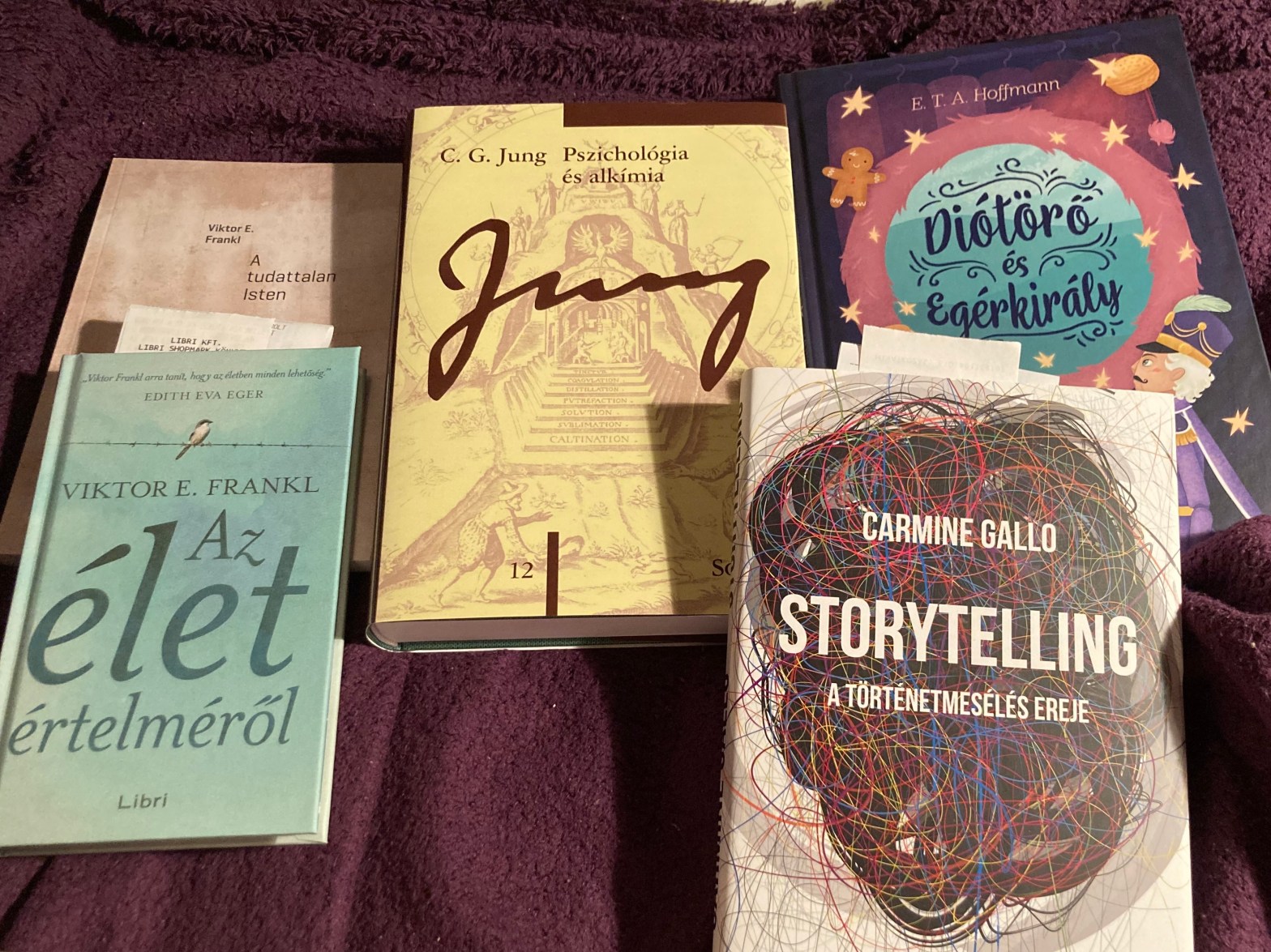
This miracle came in the form of new medication and different therapy (I’m still grateful for my previous therapist, the work we did together, and his suggestion of looking into other types of therapy,) and a sale on books I’m interested in at Libri. In addition, the first of the four surprise novels by Brandon Sanderson came to my Kindle on January 1, 2023. Many of the books I’m reading these days have to do with psychology. Many are fantasy. Very few classic sci-fi, but I started to re-read the Dune series. So, as usual, I’m reading several books at once.
Reading is my primary mode of learning. I can listen to an audiobook and retain very little of the information, because my mind will wonder. However, when I read, especially when I read a real paper book, the visual and tactile inputs together help me recall what I read much better. Furthermore, if I listen to music while reading, I often end up associating certain playlists or individual songs with books or scenes I was reading. Like Harel Skaat’s Kol HaTziporim will always remind me of Game of Thrones, and the long travel from Winterfell to King’s Landing. I used to read on the tram, for the four stops between Mester utca and Móricz Zsigmond körtér both ways, every day. When I hear that song I can feel the soft cover of my old Kindle in my hand and see the butcher’s shop in my left peripheral vision on Karinthy Frigyes út as I was waiting for the tram to finally leave. Touching embossed heavy paper covers on a hard cover book will always evoke the memories of reading Harry Potter for the first time, freshly home from my mission, the first three books being the first ever thing I ordered online. And as my fingers turn the pages of a book with bible paper, I will always remember the flight home from San Diego, first reading the Book of Mormon.
So I’m reading again. Not as fast, not as much as I used to. Life is a lot noisier than it once was. Anxiety is still very much part of my life, and I react to any and all distractions with my full attention instead of ignoring them. But I’m reading again.
Az egyik legelső himnusz, amit megtanultam annak idején, az Az Úr gyermeke vagyok volt. (Ma már más a címe és a szövege is, de mint oly sokan, akik a régi fordításhoz kötődnek érzelmileg, még nem barátkoztam meg vele.) Nem sokkal később már a Fiatal Nők eszméje is ment: “Mennyei Atyánk lányai vagyunk, Ő szeret minket és mi szeretjük Őt.”
Mint Mennyei Atyánk gyermeke, értékes vagyok. Mégha ezt sokszor nem is látom, (lásd a tegnapi bejegyzést,) ezt a tudást belém verte az élet és a templomi szolgálat. Ha viszont értékes vagyok, akkor gondoskodnom kell magamról.
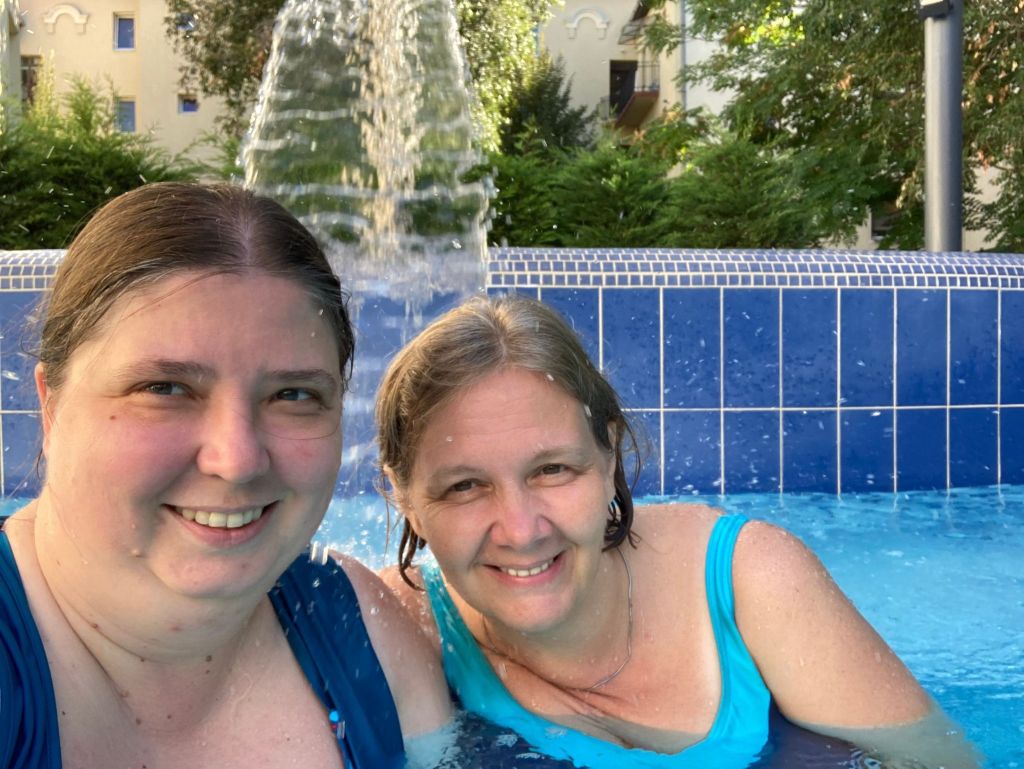
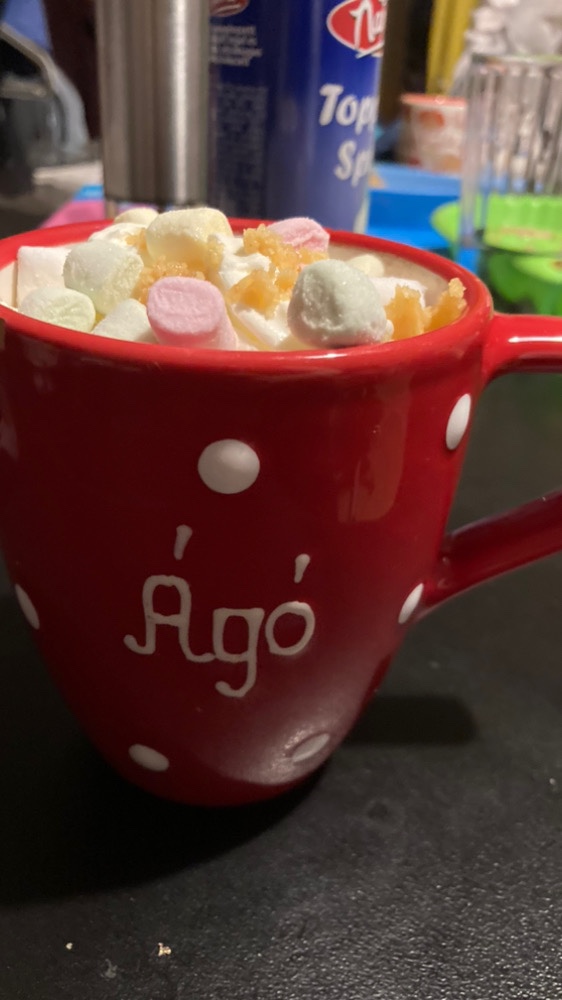
Sokszor úgy érezhetjük, hogy a saját magunkról való gondoskodás önző dolog, pedig pont az ellenkezője! Persze a saját magunkról való gondoskodás alatt elsősorban nem a minőségi desszerteket, a shoppingolást, a kényeztető lányos napokat vagy kirándulásokat értem, hanem azt az életmódot, amit úgy alakítunk ki, hogy a szükségleteinknek a lehető legjobban megfeleljen, anélkül, hogy rendszeresen meg akarnánk szökni a saját bőrünkből. Persze, jó a csoki, és a barátnőkkel fürdőbe menni, én is élvezem mind a kettőt, de ezek részei annak az életmódnak, amit próbálok kialakítani. Nem megszököm Gizussal sós-jódosozni, hanem ez része annak, hogy minőségi időt töltsek a barátaimmal, ami az érzelmi és szociális jóllétem alkotóeleme.
Dandár fürdő Gizussal
Ehhez tartozik az, hogy karácsonykor csináltam egy 14 pontból álló listát, fontossági sorrendben a legfontosabbtól a legkevésbé fontosig. Az 1. pont a főétel elkészítése volt, a 14. a nagytakarítás. Aztán elkezdtem szépen megcsinálni a dolgokat, és valahol a 8. pont (mákos guba) és a 9. pont (bejgli sütés) között elfáradtam, és elengedtem a maradék ötöt. Miért kellett ez a lista? Mert így biztos le tudtam tenni valami ehetőt és finomat a vendégeim elé, de nem kellett kimerülten robotolva tölteni a karácsonyt. Így volt, ami kimaradt, de igazából senkinek sem hiányzott, és én is a vendégeimmel együtt tudtam tölteni az estét.
Ehhez tartozik az is, hogy mint a félőrült rohangálok az esős napokon az előszobában fel s alá, hogy meglegyen a napi 10000 lépés, 45 perc edzés, és 650 aktívan elégetett kalória, ami az általános egészségemhez szükséges. Vagy nyaranta a heti 2-3 alkalom egy úszómedencében, ahol lassan, komótosan leúszom egy kilométert mielőtt a gyógymedencében kiáztatom az izmaimat. Esetleg az, hogy ha csak azért megyek be hetente még egy napot az irodába, hogy részt tudjak venni a céges jógán, amit a kolléganőnk tart, és ahol senki nem nevet ki, hogy milyen béna vagyok.
És ehhez tartozik még az is, hogy több területen szolgálok, szervezett és nem szervezett keretek közt. A másokkal való közös szolgálat, és a mások szolgálata, sokat tanít arról, hogy ki is vagyok valójában, és ezt hogyan tudom a legjobban megélni: azzal, hogy vigyázok magamra, és vigyázok másokra.
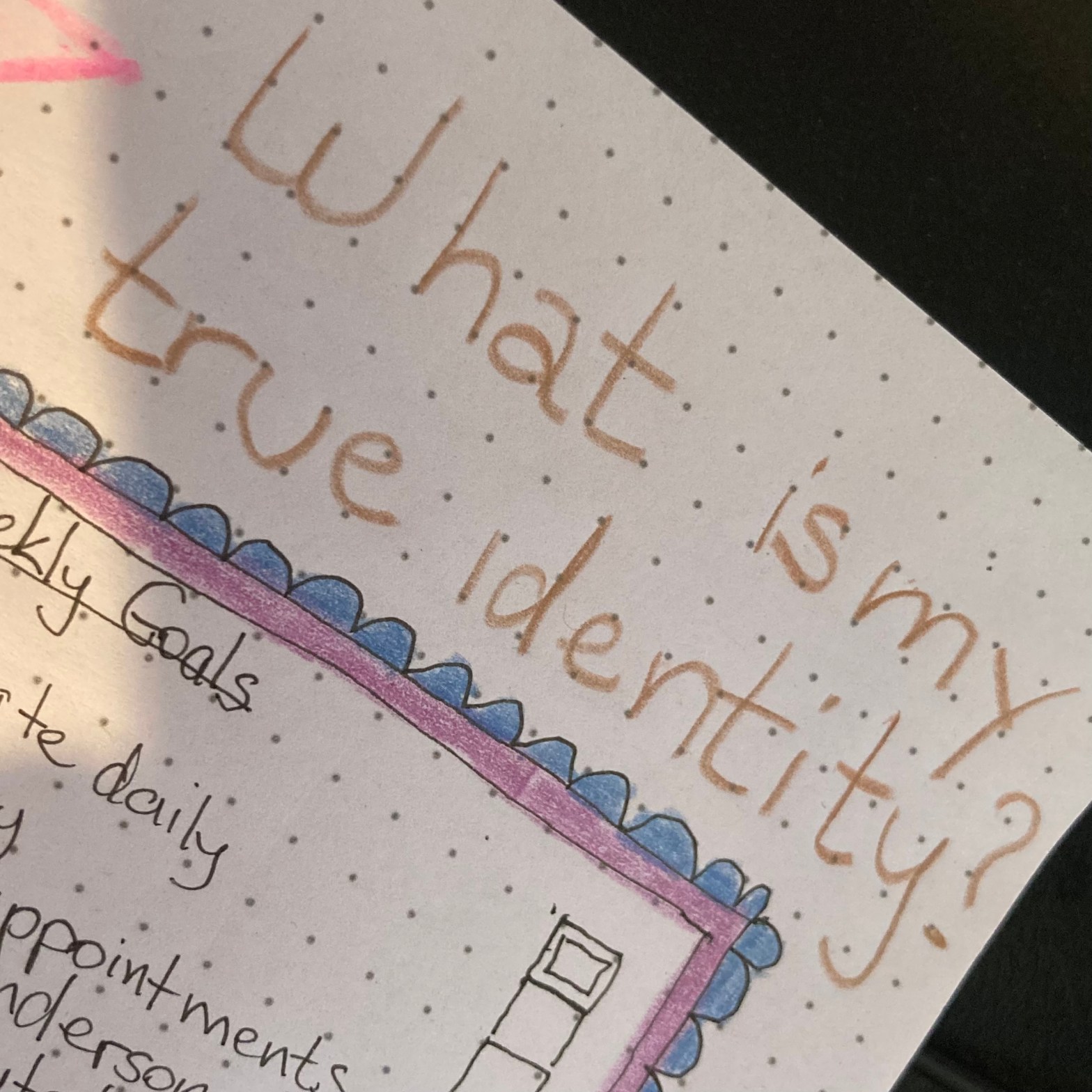
One of my favorite things about the Pathway Worldwide program as a missionary is the weekly devotionals. Some are regular, earlier devotionals that are part of the rhythm of the curriculum, and several “live”, or new devotionals that are created recently. We have several of those every semester, and one of them was this week. It was by President and Sister Ashton, and they talked about finding our true identity.
Considering that this is very much like the theme of my year of finding out who I really am, and what the words “I am a daughter of Heavenly Parents” really mean, this devotional really spoke to me. Between this devotional, and Elder Brian K. Taylor’s talk, “Am I a Child of God?” which happens to be one of my favorite talks, I get the hint from Heavenly Father what my study focus needs to be.
Finding my true identity is a lot harder than just learning the Primary lesson that I am a child of God. What does that mean for me with my imperfections and often rebellious spirit? How can I be a beloved daughter of God if I struggle with loving, and more importantly, accepting myself? How can I live my true identity? These are questions that I have been trying to find answers for, not only in my scripture study but in therapy as well. Trying to unearth the true me from under all the social roles, trauma, masks, and living up to expectations has been a challenge that I have been trying to tackle for several years.
So who really is this woman? Where will this woman find her true identity? Definitely not in the popular self help books, or retreats hosted by self appointed gurus and internet-based influencers, and not in the creative journals and coloring books that I love so much. And not necessarily in the writings of Victor E. Frankl, Gabor Maté, or even Carl G. Jung. And it might not even be in General Conference talks or the inspired hymns we sing. No, it will be in meditation, when I listen to myself, and on my knees in prayer, when I listen to God.
So what is my identity? Daughter, sister, aunt, friend, Relief Society president, Pathway missionary, employee, team leader, team member, crocheter, reader, home baker, hobby writer, cat owner, Star Trek fan; a passionate, indifferent, sarcastic, loving, impatient daughter of God.
Kik voltak a szereplők Márk 2:1-12-ben? Te ki lennél? a) Jézus b) a béna c) a négy barát d) a tömeg e) az irástudók
Miben láthatja az Úr a hiteteket? És a barátaitok?
Hogy támogatjátok ti a barátaitokat? Hogy támogatnak ők titeket?
“Legyünk akár misszionáriusok, szolgálattevők, segítőegyleti elnökök, püspökök, tanítók, szülők, testvérek vagy barátok, utolsó napi szent tanítványokként mind azért munkálkodunk, hogy másokat Krisztushoz hozzunk. A tulajdonságok, amelyek megvoltak a négy barátban, megfontolásra és lemásolásra érdemesek. Merészek, alkalmazkodóak, szívósak, leleményesek, sokoldalúak, reményteliek, eltökéltek, hithűek, derűlátóak, alázatosak és kitartóak voltak.”
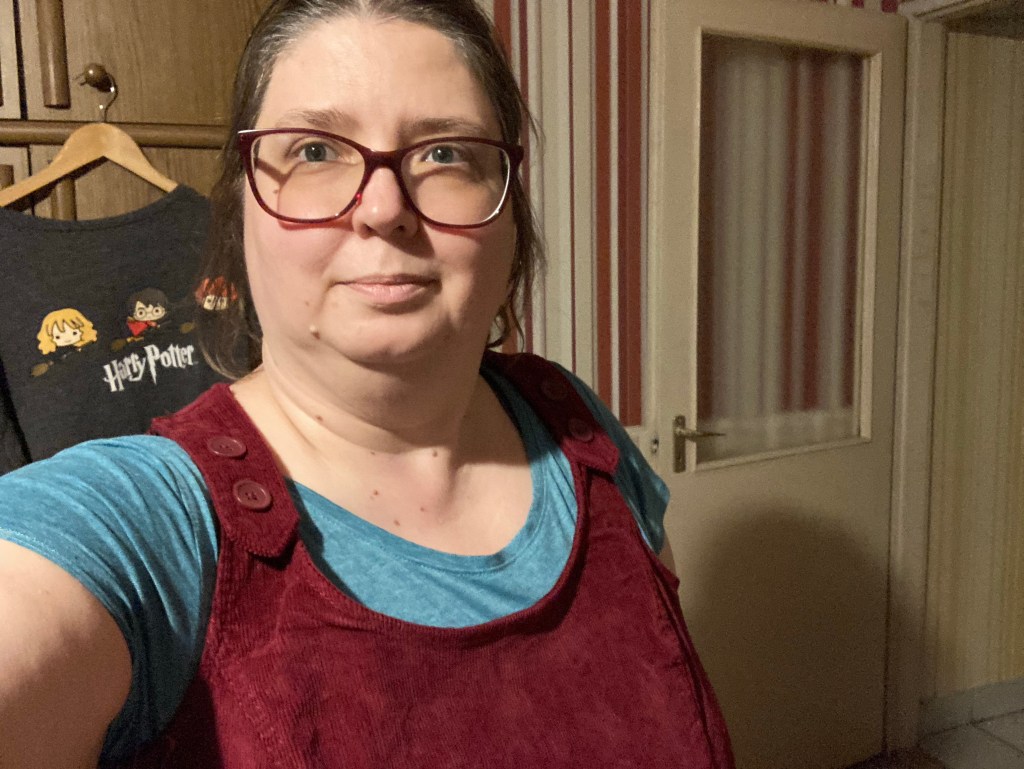
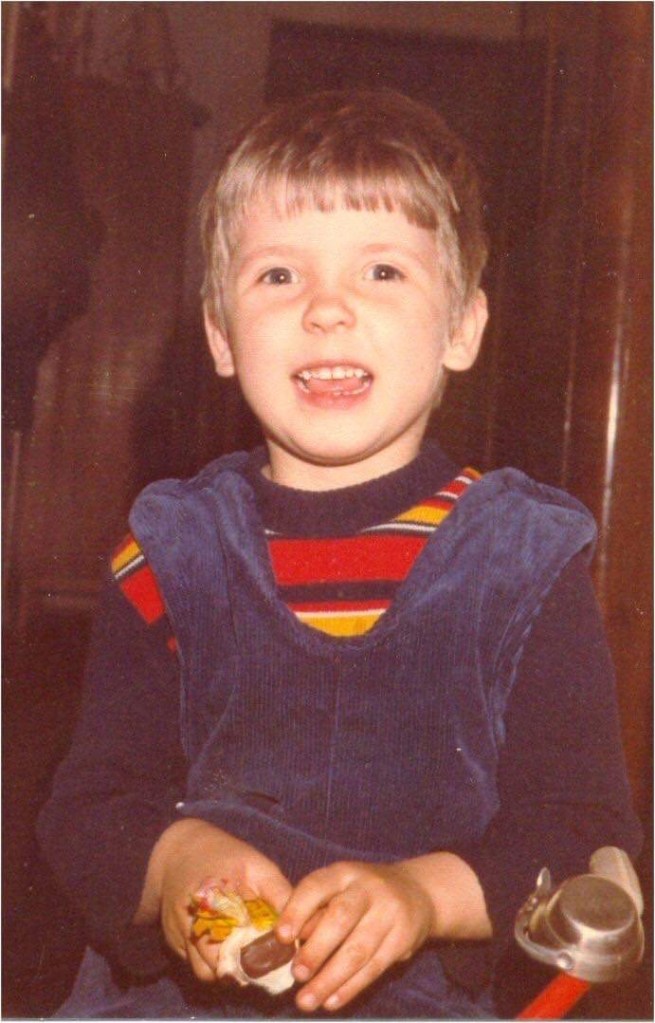
As the below photo proves, my fashion sense hasn’t changed much.
Christmas break 1981 and 2023
Since I was a baby till my early teens most of my clothes were hand me downs from cousins, friends, and neighbors. Most of those clothes, just like toys, were unisex, and I wasn’t very much a girly girl anyway, so it did not matter if I wore pants all the time. I wore skirts when I had to. Unfortunately those were mostly the times that were photographed.
A few weeks ago I ordered a couple of new corduroy dresses. I love them, they are comfortable, kinda pretty, and they give me an oddly familiar feeling.
And then I found a few photos from Christmas/New Year 1980-81.
Wearing my favorite corduroy dress sometime in early 1980.
It all started to make sense. Just like my sense of humor, my sense of fashion was already developed by age four.








 So This Woman